
One of the most common hurdles students face when sitting down to write their college essays is that they have never written this type of essay before. We know this sounds crazy – it seems like half of all high school homework assignments are essays. Shouldn’t seniors have this in the bag? It should be easy, right?
Wrong!
Writing a book report for English Literature or a Document-based response for AP US History is extremely different from writing a personal essay. Some students have never even read a personal essay, let alone written one. So, where should juniors begin?
Your knee-jerk instinct might be to head to Google and search up personal essays that have allegedly gained students access to top universities like Harvard, Yale, or MIT. Don’t do it! The worst thing you can do is read one of these essays and compare your own experiences to theirs, coming away from it discouraged and even more lost than you were before.
The good thing about personal essays is that the best ones are unique to the author. This doesn’t mean that the author has a unique, one-in-a-million experience to write about, but that they have a perspective on a topic that is refreshing and insightful. We cannot say this enough: it’s less about what your topic is and more about how you write about it. So how does one become a great personal essayist? By learning from those who are already doing it, of course!
In 2025, there are a ton of examples of great personal essays out there to help you understand what we mean. Take a glance through the list, and pick at least one essay, collection, or memoir to read and take notes! Ask yourself why the author is writing about their topic, what makes them the best person to write about it, and how do they capture your attention. Is it because they are funny? Heartwarming? Informative? Excited? Think about how you would put your own personal spin on these topics.
1. The “Modern Love” Column in the New York Times
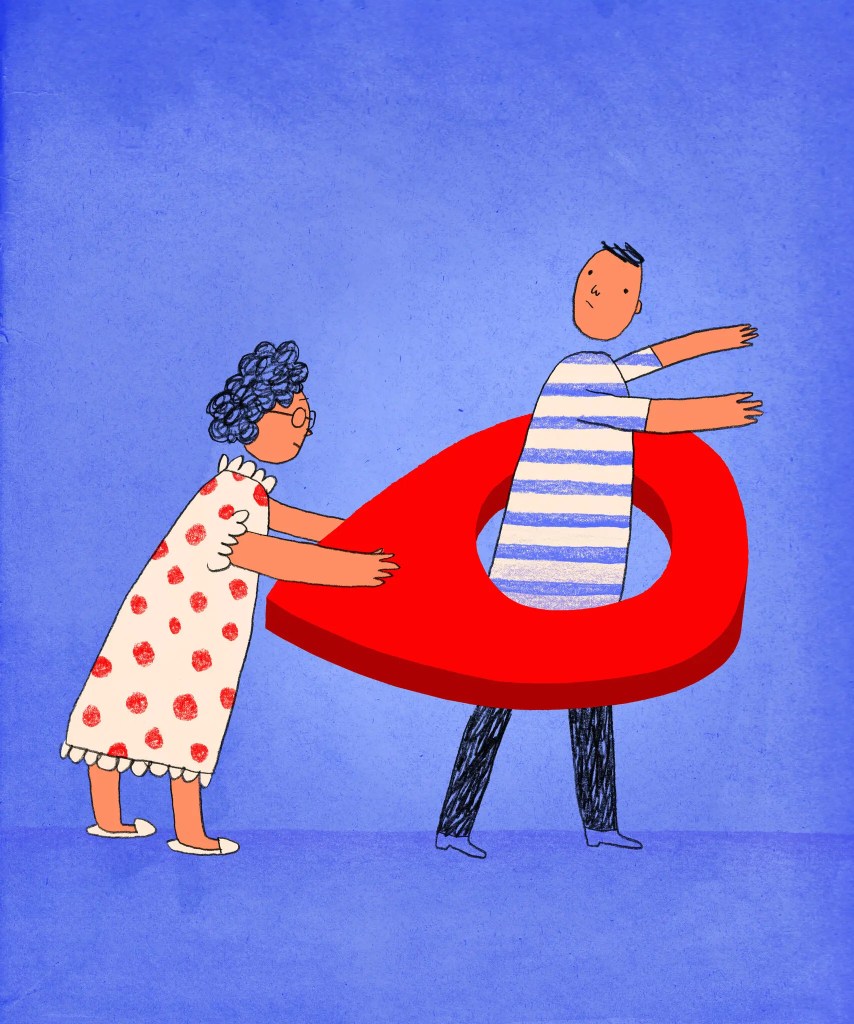
This weekly column dives deep into the complicated realm of love in the modern world. Don’t be fooled: this isn’t your run of the mill relationship column. Essayists write about love in all its forms: parental, sibling, unrequited, and even self-love. There are stories about grieving a loved one, exploring one’s sexuality, and the arduous process of healing after abuse. The authors are from all walks of life, and some submissions are from teens just like you. We mean it when we say there is something for everyone in the archives of this column.
One of our favorite features of The New York Times is that they offer an audio option for all of their articles. Modern Love is also available as a podcast. These short pieces usually range between 8 and 10 minutes: the perfect length to pop in your headphones and do the dishes or to listen to on your ride to school. This column is perfect for those of you considering Common App prompt #4: “Reflect on something that someone has done for you that has made you happy or thankful in a surprising way. How has this gratitude affected or motivated you?”
2. I’m Glad My Mom Died by Jennette McCurdy

Jennette McCurdy’s controversial memoir, released in 2022, unveils the reality behind being a child star. She discusses the toxic relationship she had with her mother, the difficulty of balancing childhood with stardom, and her ongoing battle with eating disorders.
What we love about this book is the way that McCurdy writes about tragic, difficult topics with a sense of black humor that keeps you reading. Not only this, but in one fell swoop McCurdy also managed to turn the public perception of herself on its head with this tell-all memoir. I’m Glad My Mom Died is a master work in discussing overcoming and learning from challenges, and would make an excellent response to prompt 2 of The Common App’s list of personal essay topics: “The lessons we take from obstacles we encounter can be fundamental to later success. Recount a time when you faced a challenge, setback, or failure. How did it affect you, and what did you learn from the experience?”
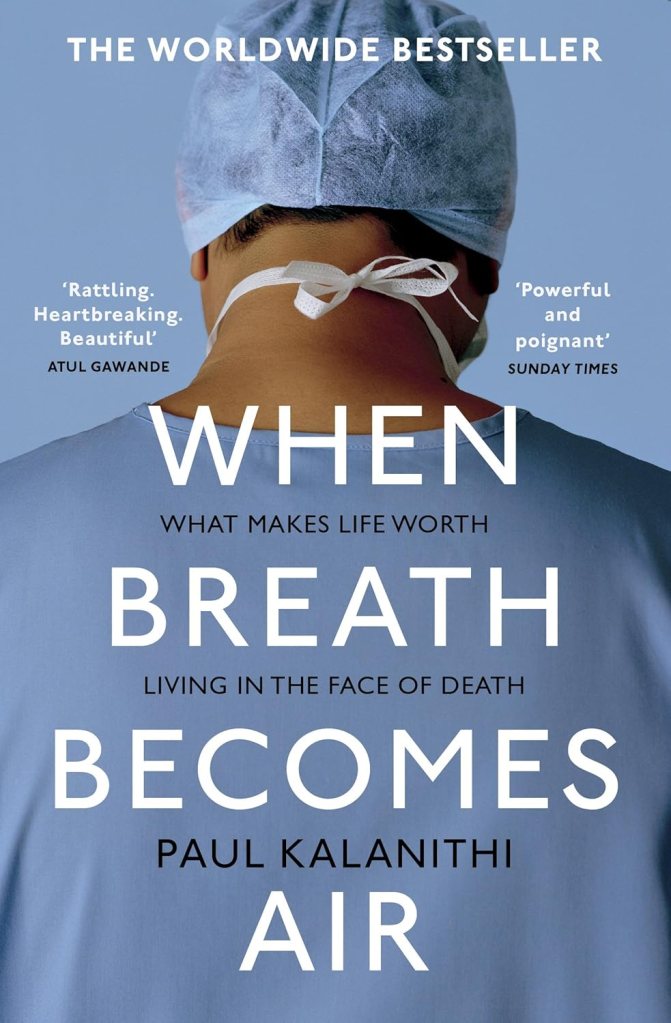
3. When Breath Becomes Air by Paul Kalanithi
For those of you with a deep affinity for STEM (Science, Technology, Engineering, Math), it can be especially difficult to switch gears and get to writing creatively. It is frequently overlooked how important solid writing skills can be for scientists and mathematicians, and STEM students often find themselves struggling to produce a solid personal essay. Never fear! The neurosurgeon is here!
The late Paul Kalanthi reflects on science, family, and mortality in this memoir, written after he received a fatal cancer diagnosis. Kalanthi breathes life into topics that are normally considered cold or untouchable. With bravery, tact, and beauty, this book examines the way that Kalanthi’s views changed as he transitions from doctor to patient. This is the perfect book for students considering Common App prompt #3: “Reflect on a time when you questioned or challenged a belief or idea. What prompted your thinking? What was the outcome?”
4. This American Life Podcast
Available on Spotify, Apple Music, and thisamericanlife.org, this podcast hosted by Ira Glass is the first ever radio show to win a Pulitzer Prize. In weekly installments, Glass explores a theme with guests. Topics range from “Why do we lie?” to “Afrofuturism”, and everything in between. It serves as an excellent study in how an author (or radio host) uses perspective and storytelling to explore a topic. More importantly, each episode offers several different stories surrounding a theme, allowing listeners the opportunity to understand the theme from people with very different viewpoints.
For those of you considering Common App prompt #1 (“Some students have a background, identity, interest, or talent that is so meaningful they believe their application would be incomplete without it. If this sounds like you, then please share your story.”), this podcast can help you find your own point of view.
5. The Norton Book of Personal Essays
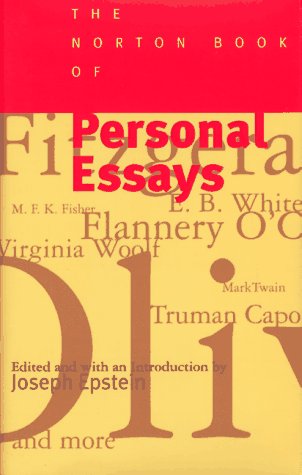
When in doubt, turn to the Classics. While no one expects a 17-year-old to be the next James Baldwin, it can be very helpful to take a look at how the best of the best write about themselves, their ideas, and their experiences. Classics are considered classic because they stand the test of time – generation after generation returns to these works because they speak to deep human truths. Once more, we reiterate: it’s not about the topic you select, but how you write about it that matters. For example, the first essay in the anthology is Mark Twain talking about being in a foreign country without knowing the language – an experience that is familiar to many throughout time and space, and it’s laugh-out-loud funny.
The Take Away
Before you dive into writing your personal statement, learn from those who have done it best. Take a deep breath, and remember: you don’t have to be a superstar, cure cancer, or experience a tragedy to write a great essay. Your unique point of view is the most important element.
For more information on Aristotle Circle‘s writing tutors, essay assistance, and college counseling packages, send us an email at info@aristotlecircle.com or call 212-360-2301.
 The Circle